
A garage door should make some sound when it opens and closes. Loud grinding, rattling, squeaking, or banging is different. Those noises often develop gradually. A roller begins to wear. Hardware loosens. A track moves slightly out of position. The opener starts working harder than it should. Over time, a garage door that once operated quietly can become noticeable throughout the house. This can be especially frustrating when the garage is attached to a bedroom, kitchen, or other living space. Here are five practical ways to reduce garage door noise and recognize when the sound points to a larger problem.
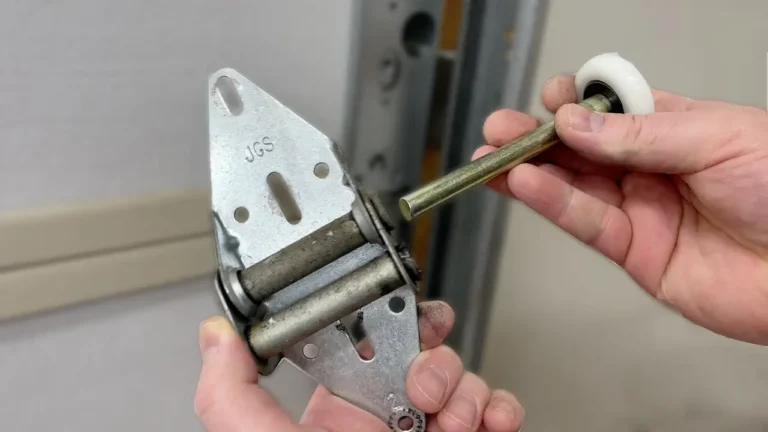
A garage door moves hundreds of pounds along tracks every time it operates. That movement creates vibration. Over time, nuts, bolts, hinges, brackets, and other hardware can loosen. The result is often a rattling or vibrating sound as the door moves. Look for hardware that appears loose or sections of the door that shake more than usual. Some accessible hardware can be checked carefully, but avoid adjusting springs, cables, or components connected to the spring system. These parts operate under high tension and should be handled by a garage door professional.
A door that continues rattling after visible hardware has been checked may have another issue that requires inspection.
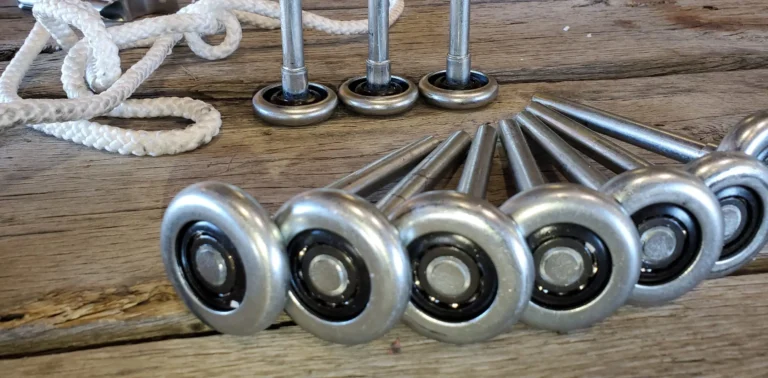
Rollers have a major effect on how smoothly and quietly a garage door moves. Older metal rollers can become noisy as they wear. Damaged bearings can also create grinding, clicking, or rough movement along the tracks. Sometimes the sound is easy to locate. You may hear it moving upward as the door opens or downward as it closes. Replacing worn rollers can make a noticeable difference in both noise and movement.
The right roller depends on the garage door system. Nylon rollers are often chosen when quieter operation is a priority, while other types may be appropriate depending on the door's weight and usage. Homeowners in Winchester, MA who hear repetitive clicking or grinding near the tracks should have the rollers checked before the problem begins affecting other components.
If your door operates normally and its hardware looks undamaged, check the door manual for the lubrication points and the product to use. The manual may recommend lubricating the hinge pivots or roller bearings. Keep lubricant off the inside of the tracks. Follow the opener manual for care of the rail, chain or belt. Have a technician handle springs and shaft hardware. If the door still squeaks, ask us to check it. If it jerks, drags or strains, stop using it and arrange an inspection.
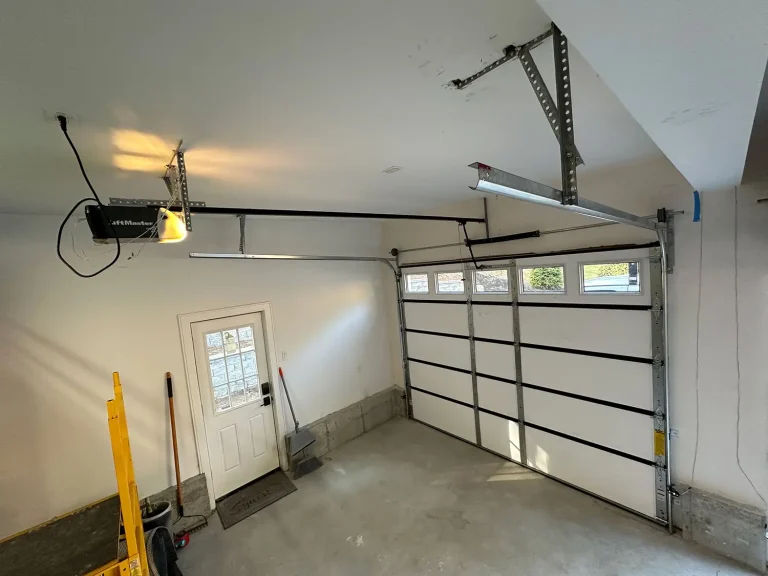
Sometimes the door is not the loudest part of the system. The opener can create vibration that travels through the garage ceiling and into nearby rooms. This is particularly noticeable in homes with living space above or beside the garage. Older openers may also become louder as internal components wear. Different opener designs produce different noise levels. Belt-drive systems are often considered when quiet operation is important, especially for attached garages. Before replacing the opener, however, it makes sense to check the entire door.
A garage door that is heavy, unbalanced, or difficult to move can force the opener to work harder. Installing a new opener without correcting the underlying door problem may not solve the noise. We can check this during an opener repair visit in Winchester and nearby towns. Checking the complete system helps identify whether the sound comes from the opener, door hardware, rollers, tracks, or another component.
Noise often tells you how the garage door is moving. Watch the door from a safe distance while it opens and closes. It should travel steadily along the tracks without shaking, jumping, or leaning noticeably to one side. A loud bang during movement may point to a spring or balance problem. Scraping can indicate track or roller issues. Repeated shaking may come from loose hardware or worn components. Do not continue operating the door repeatedly if something looks seriously wrong. Garage door springs and cables carry significant tension. A problem with either component can affect how the weight of the door is supported.
Professional inspection is safer than attempting to adjust these parts yourself.
Trying to silence individual sounds will not help much when the complete garage door system is out of balance. Springs help support the weight of the door. Rollers guide it. Tracks control its path. Hinges allow the sections to move. The opener provides powered movement. When one part stops doing its job correctly, another component may take on additional strain. That can create both noise and premature wear. This is why an unusually loud garage door should not automatically be treated as a simple nuisance.
For homes throughout Massachusetts, seasonal temperature changes and regular daily use can also affect seals, lubrication, hardware, and other moving parts over time. A garage door tune-up can help identify worn or loose parts before the noise gets worse.
Some noises are minor. Others are warning signs. Consider scheduling garage door service if you notice:
Our common garage door problems guide covers other symptoms and safe first checks. Waiting can allow a worn component to place additional stress on the rest of the system. If your garage door has become louder than normal, we can find the source and explain your repair options. We serve Winchester and Greater Boston. Fixing the actual cause can make the door quieter while also improving how smoothly and reliably it operates.
 Common Garage Door Problems: What You Can Fix and What Needs a Pro
 How to Troubleshoot a Garage Door Opener
 Winter Garage Door Maintenance: What to Check Before Cold Weather